
The evolution of gambling from ancient rituals to modern gaming
The Roots of Gambling in Ancient Civilizations
Gambling has deep historical roots, tracing back to ancient civilizations such as the Egyptians, Romans, and Chinese. In these societies, gambling often involved games of chance and skill, utilizing rudimentary tools like dice made from bone and sticks. For example, ancient Egyptians participated in betting games that were an integral part of social gatherings, showcasing the communal aspect of gambling even at that time. Today, many players are drawn to online platforms like Vipzino, where they can experience similar thrills in a modern setting.

In addition to entertainment, gambling was often interwoven with ritualistic practices. The Chinese, for instance, used gambling for fortune-telling and divination, utilizing simple betting games to predict future events. This blend of chance and spirituality elevated gambling from mere leisure to a significant cultural practice, illustrating how it was perceived as a means to connect with the divine or fate.
The Romans took gambling to another level by formalizing it into their recreational activities. They established betting on various events, including gladiator fights and chariot races, with the excitement of wagering enhancing the thrill. As a result, gambling became a popular pastime, and laws were enacted to regulate these activities, showcasing its growing importance in societal structures.
The Medieval Era and the Birth of Gaming Houses
The medieval period saw gambling undergo significant transformations, particularly with the emergence of gaming houses. These establishments provided a dedicated space for various games, from card games to dice, and allowed people of different social classes to engage in betting. The rise of these gaming houses marked a shift from informal gambling in social settings to a more structured form of entertainment.
Moreover, the invention of playing cards in Europe during this time contributed to the evolution of gambling. Initially, playing cards served multiple purposes, including educational tools and mediums for gambling. As gambling games evolved alongside these cards, new favorites like poker and blackjack began to take shape, attracting a wide range of players drawn by the allure of risk and reward. Many celebrity gamblers rose to fame during this period, contributing to the game’s rich history.
Yet, this burgeoning gambling culture faced backlash from religious institutions, which viewed it as morally questionable. Despite this opposition, gaming houses flourished, adapting to societal norms while continuously captivating players. This tension between acceptance and condemnation laid the foundation for future gambling regulations and shaped societal attitudes toward gaming.
The Rise of Casinos in the 17th Century
The 17th century witnessed the birth of the modern casino, beginning with the establishment of the first official casino in Venice, Italy. Known as the Ridotto, this establishment offered various games, including card games and dice, providing a regulated environment for gambling. The concept of a dedicated venue exclusively for games of chance ignited a revolution in how gambling was perceived and organized.
As casinos began to flourish across Europe, they attracted the elite and wealthy, creating an air of exclusivity around gaming. With opulent interiors, lavish entertainment, and the promise of fortune, casinos became social hubs where patrons not only gambled but also mingled with high society. The allure of casinos extended beyond gaming, merging it with a lifestyle that emphasized elegance and excitement.
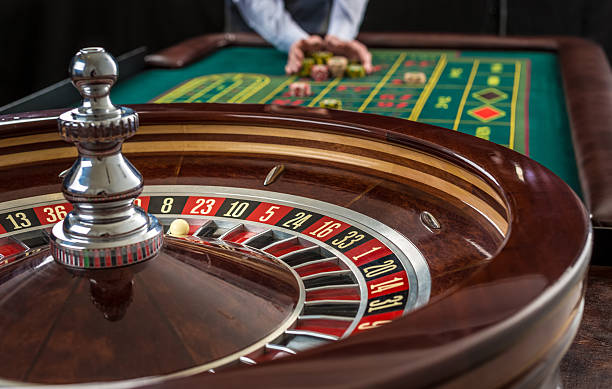
The popularity of casinos led to the development of more games and betting systems, further enriching the gambling experience. Variants of roulette and baccarat emerged during this period, captivating players with their complexity and chance. This era set the groundwork for the evolution of gambling as an entertainment industry, one that would continue to expand and adapt to societal changes.
The Impact of Technology on Gambling
The 20th century brought about significant technological advancements that transformed the gambling landscape. The introduction of slot machines revolutionized gaming, allowing players to engage in gambling with minimal skill or strategy. These machines became widely popular in bars and casinos, making gambling accessible to a broader audience and enhancing its appeal.
As technology continued to evolve, the advent of the internet in the late 20th century marked a pivotal moment for gambling. Online casinos began to emerge, offering a vast array of games that players could access from the comfort of their homes. This transition not only increased convenience but also led to a rise in competition among gaming platforms, resulting in better game offerings and lucrative bonuses for players.
Moreover, mobile technology has taken online gambling to the next level, allowing users to play anytime and anywhere. With the development of apps and mobile-friendly websites, players can now engage in live gaming experiences, connecting with other players and dealers in real-time. This integration of technology continues to reshape the gambling industry, creating a dynamic environment that constantly evolves to meet player demands.
The Modern Landscape of Gambling and Vipzino Casino
Today, the gambling landscape is a blend of tradition and innovation, reflecting centuries of evolution. Modern casinos offer an extensive range of games, from classic table games to state-of-the-art video slots and live dealer experiences. The integration of virtual and augmented reality technologies is set to further enhance player engagement, providing immersive experiences previously unimaginable.
Vipzino Casino exemplifies this modern approach to gaming, offering over 5,000 exciting games designed to cater to a diverse audience. Players can enjoy a variety of slot games, table games, and live casino options, all while experiencing a secure and rewarding environment. With a focus on player safety, Vipzino is fully licensed and uses advanced encryption technology to protect transactions, ensuring peace of mind for its users.
Moreover, the site prioritizes customer experience by offering enticing bonuses and promotions, making it a top choice for both new and returning players. The presence of 24/7 customer support ensures that assistance is always available, reinforcing the commitment to player satisfaction. As the gambling industry continues to evolve, platforms like Vipzino are at the forefront, merging technology with entertainment to create unforgettable gaming experiences.
Recent Comments